
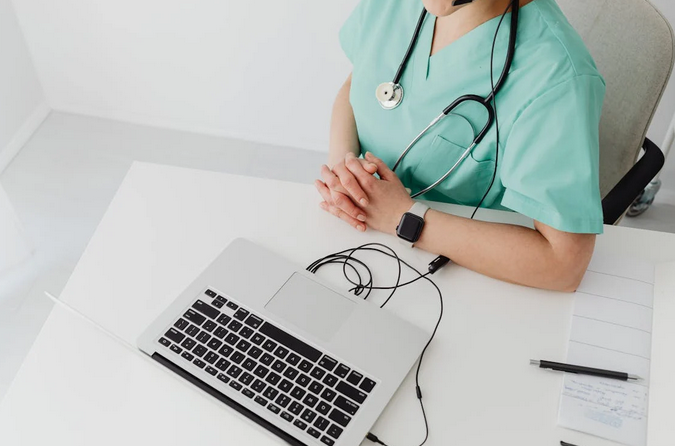
We live in the golden age of health information. At any moment, you can Google symptoms, watch wellness influencers explain hormones, or download an app that tracks everything from sleep to steps. And yet, many people feel exhausted, anxious, inflamed, or just generally off. It’s confusing and frustrating. With all this knowledge floating around, shouldn’t we be healthier by now?
Information Overload Creates Paralysis
Having access to health information is helpful—until it becomes overwhelming. One article says coffee is good for you, another says it’s ruining your nervous system. Fats are villainized, redeemed, then villainized again. When advice constantly contradicts itself, it’s hard to know what to trust. Instead of taking action, people freeze, jump between trends, or give up altogether.
Health Content Is Optimized for Attention, Not Accuracy
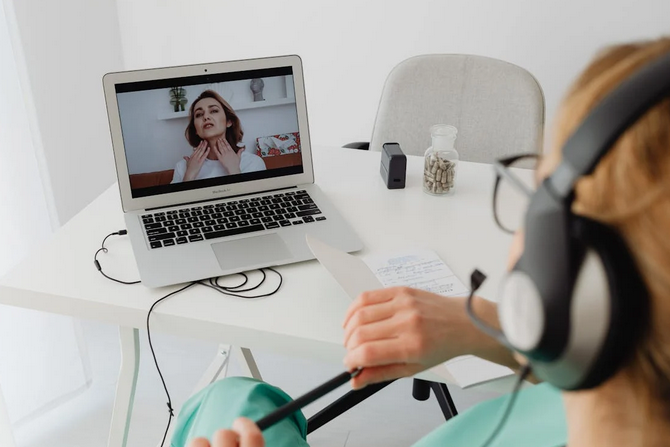
Much of the health advice we see online isn’t designed to make us healthier—it’s designed to keep us scrolling. Bold claims, fear-based headlines, and miracle solutions perform better than nuanced explanations. The result is a flood of oversimplified or exaggerated advice that ignores individual differences and long-term context. What grabs attention doesn’t always support real well-being.
One-Size-Fits-All Advice Doesn’t Work
Bodies are wildly different. Genetics, environment, stress levels, culture, and access to resources all matter, yet most health content treats people like interchangeable parts. A routine that helps one person feel amazing might leave another exhausted or discouraged. When generalized advice fails, people often blame themselves instead of questioning whether the advice was ever meant for them.
Stress Is Treated Like a Side Note
Many health conversations focus on diet, supplements, or exercise while quietly minimizing stress. Chronic stress impacts sleep, digestion, immunity, and mental health, but it’s harder to sell a solution for it. You can’t easily monetize “rest more” or “feel safe in your body.” Ignoring stress while optimizing everything else is like fixing the paint while the foundation cracks.
Access Is Not the Same as Support
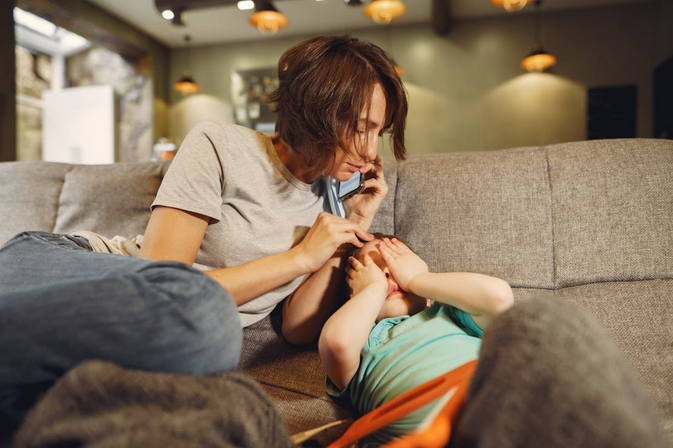
Knowing what you “should” do is very different from having the ability to do it. Fresh food, safe spaces to exercise, time to rest, and affordable healthcare are not equally available to everyone. Health advice often assumes a level of privilege and flexibility that many people simply don’t have. When advice ignores reality, it becomes another source of guilt instead of help.
Wellness Has Become Moralized
Health is often framed as a personal virtue, which creates shame when things go wrong. If you’re tired or sick, it can feel like a personal failure rather than a complex mix of biology and circumstance. This mindset pushes people to chase perfection instead of focusing on sustainable, compassionate care. Feeling unwell becomes something to hide instead of addressing honestly.
We’re not unwell because we lack information—we’re unwell because information alone isn’t enough. Health doesn’t improve through constant consumption of advice; it improves through understanding, support, and realistic expectations. Less noise, more context, and a little kindness toward ourselves might do more for our well-being than the next viral wellness tip ever could.…


 Do you know that cannabidiol is an excellent metabolism booster? You may not be familiar with this fact, but you need to know that the product is an excellent pick for obesity issues. The chemical compounds found in the product work wonders for troubled metabolism. It works by repairing cell regeneration and hormones, resulting in better and faster metabolism.
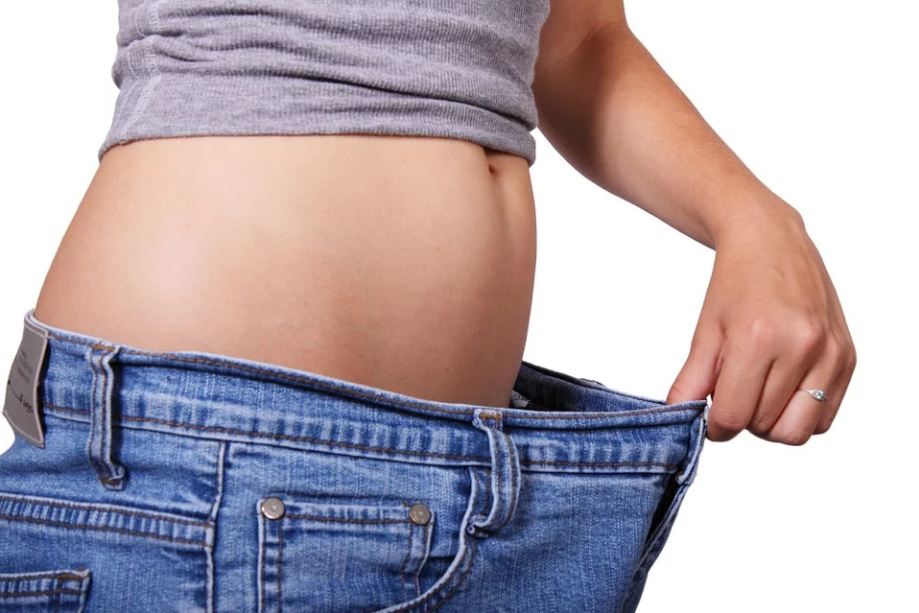
 Still related to your metabolic rates, consuming CBD oils is known to affect your appetite. It makes you feel full for a longer period, meaning that you can manage your daily portions. The reduced food intake and the inner metabolic rates work to help you reduce stored fat cells, resulting in faster weight loss. After a few months, you will probably see a slender figure looking back at you whenever you stare at the mirror.
 If you want to choose a clinic for physical therapy, then it is advisable that you select the most convenient location for you. It is critical that you pick a clinic within the area where you work or live.
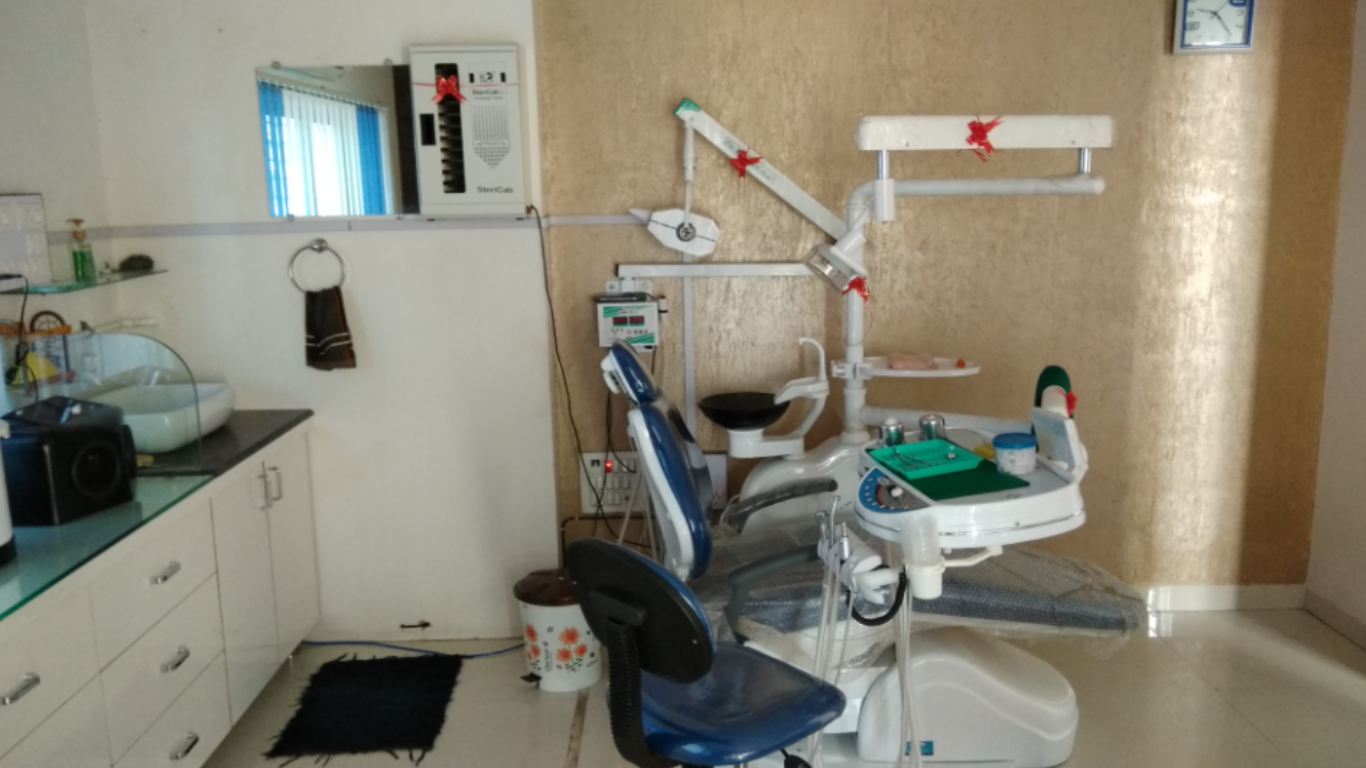
 A large percentage of the current medical facilities use the internet to reach people who need their services. And this is majorly because a large number of people now use the internet on a daily basis. Actually, in the current times, people spend more time on the internet than they do watch television or listening to a radio. And with this being the case dental clinics now advertise online, and for you to find them, you need to google.
 If you have just relocated, or has not been visiting a dentist in your current location but want to find the best, then you can ask for a referral. Some people take their oral health seriously, and talking to this people will not only eliminate the guessing but will also make your search easy and quick. Note that a good reference should come from the person you trust.